


Skin Health


Where To Begin


Science + Research
Retinol Explained + 6 Tips For Successful Use
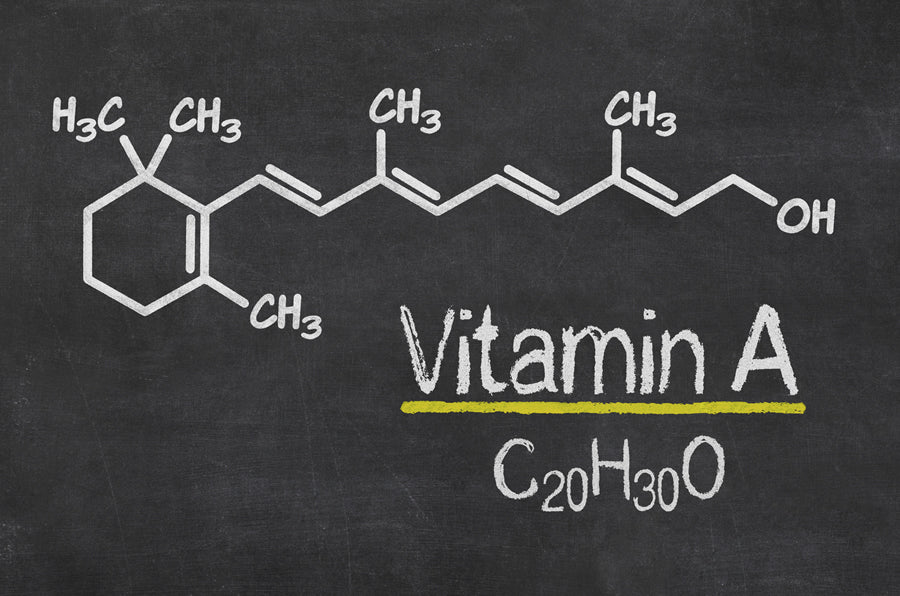
When the goal is to prevent aging and correct existing damage, virtually all dermatologists will agree that daily retinoid use is the answer. The term "retinoid" refers to vitamin A and the various molecules derived from vitamin A—which itself is also known as retinol (ROL). This can lead to great confusion because while the official name of Vitamin A is retinol, the derivatives, called retinoids, belong to different categories. Beta carotene is a pro-vitamin A, while retinyl palmitate, unlike its successors in the conversion chain to retinoic acid, retinol and retinal aldehyde, does not convert to retinoic acid. This means you do not want to use these forms of vitamin A (unless you are looking for an oil-soluble antioxidant).
What Zombie Corals are Showing Us About Chemical Sunscreens

Something New Under the Sun: Skin Protection in the Age of Global Warming

There is no denying that climate change affects every aspect of our lives—even skin care. At some point in the upward trajectory of levels of heat, pollution and UV emissions, protective skin care will transition from a cosmetic option to a health necessity. And because we aren’t used to thinking of skin care in that way, it will be a non-trivial leap.
Our Guide to the Most Effective Internal + Topical Skin Supplements

We are diehard enthusiasts for the benefits of vitamins A+C on skin health. Decades of academic research supports their efficacy and safety—administered properly, their positive effects are unmatched, especially when used together. Our skin and our systems need appropriate amounts of both of these vitamins to function, so we generally suggest a combination of topical and internal supplementation and diet.
Are You (and Your Skin) Ready for Spring

Warmer days and brilliant bouquets are around the corner. But for allergy sufferers, springtime is no picnic. Those joyful transitions can also translate into an annual ritual of sneezing, sniffling and itchy skin. The first step toward relief is to identify your position on the rash spectrum and to remember that pollen in the air is only one factor in the skin irritation equation.
The Age-Old Question: Can We Significantly Delay Skin Aging?
YES—as long as we incorporate this four-step strategy religiously into our daily skin-care routine.
Read More
Thin Skinned: Aging Around the Eyes
Folks blessed with flawless, collagen-dense skin come to me almost daily to show me their (invisible to me, but my eyesight may be failing) eye wrinkles, accompanied by the plaint, “I'm getting old!" While part of me thinks, “join the club," I really do sympathize. Sighting your first wrinkle isn’t cause for celebration, like losing your first tooth and receiving a dollar for it.
Read More
Balance Your Skin’s Microbiome to Clear Acne
Nothing’s more exasperating than conspicuous breakouts. We all get them, and we all spend a lot of effort trying to avoid them. A daily diet of topical antibiotics and antimicrobials prescribed to combat acne may work for a time, but ultimately, they can disrupt the skin’s microbiome balance. It’s now common knowledge that prolonged use of antibiotics kills off beneficial bacteria found in the gut microbiome, tipping the balance in favor of over-colonization by disease-causing pathogens. Similar to the gut’s microbial disruption-disease cycle, skin microbial dysbiosis can lead to skin problems ranging from redness, irritation, rosacea, rashes, eczema, resurgence of acne and adult acne to photosensitization.